Lead Free PCB Assembly: Reflow Profile Control Beyond the 217°C Melting Point
Oct 27, 2026
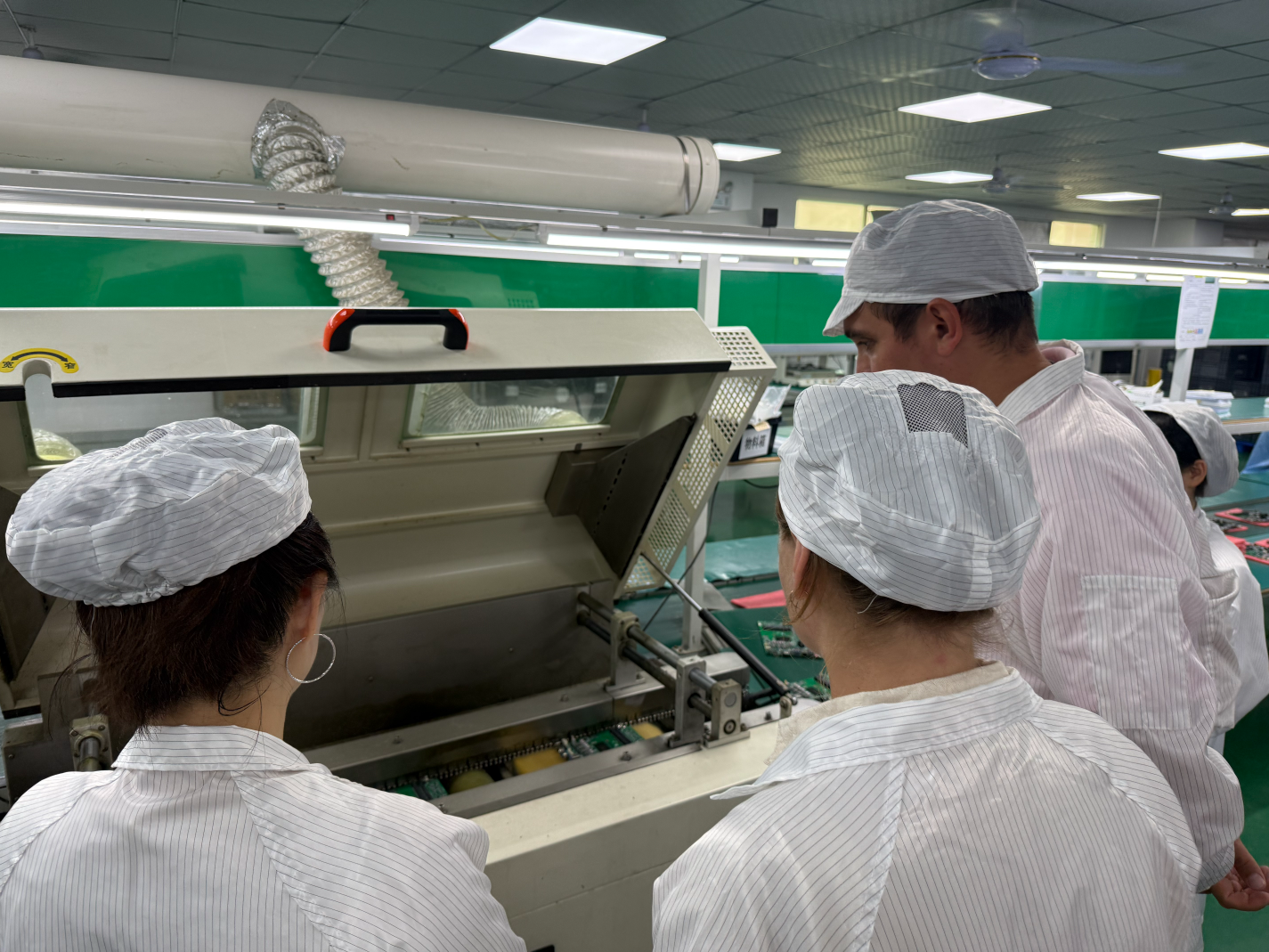
Shenzhen, Guangdong Oct 26, 2026 (Issuewire.com) - Reflow soldering is the process of heating solder paste above its melting range on a controlled time-temperature curve, then cooling it to form joints. In lead free Pcb Assembly, SAC305 paste melts at roughly 217-220°C. That number does not set quality. Peak temperature, time above liquidus (TAL) and ramp rate do, and all three must hold on the hottest and the coldest part of the same board.
SAC305 Peak Temperature Window for Lead Free PCB Assembly
The usable peak window is narrow, about 235-250°C at the coldest joint: SAC305 reaches full liquidus near 220°C, so a joint needs 15-30°C of margin above it to wet pads and leads. The upper limit comes from the parts. Most component packages are rated to a 260°C peak under J-STD-020, but individual datasheets vary. A large BGA or a shielded connector can lag a small 0402 chip by 10°C or more on the same board. For every lead free PCB assembly job, STHL Tech engineers attach thermocouples to the largest thermal mass and to the most heat-sensitive part, then tune the oven until both sit inside the window.
Time Above Liquidus and Soak Zone Control for SAC305 Joints
A TAL of 60-90 seconds is the usual target for lead free solder: shorter gives cold joints, longer thickens brittle intermetallic layers: TAL is the number of seconds a joint stays above the melting point of the solder. The soak zone, typically 150-200°C for 60-120 seconds, evens out temperature across the board and activates the flux. A soak that is too short leaves large parts cold and small parts hot, which promotes tombstoning. A soak that is too long exhausts the flux before the paste melts. Boards with large copper planes or heavy connectors often need the longest soak, while small light boards reach equilibrium sooner. The paste datasheet gives the final window, and STHL Tech engineers follow it.
Reflow Profile Troubleshooting Table: Ramp Rate, Peak and Cooling
- Parameter | Typical lead free range | Too low | Too high |
- Ramp rate to soak | 1-3°C/s | Flux activity lost early | Solder balls, tombstoning, cracked chip capacitors |
- Soak time | 60-120 s at 150-200°C | Uneven board temperature | Oxidation, poor wetting |
- Peak temperature | 235-250°C | Cold or non-wetted joints | Component damage, board discoloration |
- Time above liquidus | 60-90 s | Incomplete wetting, voids | Brittle intermetallic growth |
- Cooling rate | 2-4°C/s | Coarse grain structure | Thermal shock, joint cracks |
These are typical values. The paste datasheet and the component limits override them. A profile that passes on a bare test board can fail on a populated one, because components add thermal mass. Profiles are therefore measured on the actual assembly with parts fitted, and rechecked when a new revision changes the copper or the component mix.
Reflow Profile Verification Steps Before First Article
A profile is verified on a real board, not copied from a previous job: STHL Tech engineers follow five steps.
1. Read the paste datasheet: Note the soak window, the liquidus point and the maximum peak that the paste supplier specifies.
2. Instrument the board: Fix thermocouples to the largest BGA, a connector and the smallest chip with high-temperature solder or tape.
3. Run and record the curve: Compare every channel against the limits for TAL, peak temperature and ramp rate.
4. nspect the joints: SPI data before placement and AOI after reflow show bridging, tombstoning and insufficient solder. X-ray checks hidden BGA and QFN joints.
5. Lock the profile after first article: Once the first article is approved, the oven recipe is fixed for the production run.
Nitrogen Reflow Furnaces on STHL Tech SMT Lines
STHL Tech runs 10-zone and 12-zone nitrogen reflow furnaces on four of its SMT lines: Nitrogen lowers the oxygen level in the oven. That improves wetting in lead free PCB assembly on fine-pitch pads and limits oxidation during the second pass on two-sided boards. The Shenzhen floor has seven SMT lines that handle boards from 50 -- 50 mm to 400 -- 290 mm, with parts down to 0402 and 0.2 mm pitch. As a PCBA manufacturer, STHL Tech sets the profile per board, not per line. Customers who order Electronic Assembly services for mixed-technology boards get a thermal profile measured on their own design.
Q: What peak temperature does SAC305 reflow need?
A: A peak of 235-250°C at the coldest joint is typical, about 15-30°C above the 220°C liquidus. The hottest component must stay below its own rated peak, often 260°C.
Q: How long should time above liquidus be for lead free solder?
A: 60-90 seconds is the common target. Shorter times risk incomplete wetting. Longer times thicken intermetallic layers and stress components.
Q: Why use nitrogen in lead free reflow?
A: Nitrogen reduces oxidation, so paste wets fine-pitch pads and second-side joints more reliably. It adds cost, so it is chosen per board.
Q: Can one reflow profile serve every board?
A: No. Thermal mass, copper area and component mix change the curve. A PCBA manufacturer should measure each new design.
Send your Gerber files and BOM to STHL Tech for a free DFM review. Engineers will flag thermal-mass and reflow risks before the first run and quote electronic assembly services for lead free builds.
Source :Shenzhen STHL Electronics Co., Ltd.
This article was originally published by IssueWire. Read the original article here.
More News








Recommended





YOUR NEWS, OUR NETWORK.
Do you have Great News you want to tell the world?
Be it updates about your business or your community, you can make sure that it’s heard by submitting your story to our network reaching hundreds of news sites across 6 verticals.